Wine country, with a real downtown.
Lodi pairs a genuine downtown with one of California’s most important wine appellations and a deep agricultural-industrial base. That combination creates commercial demand most small cities never see: tasting-room and hospitality retail, restaurant and event space, and winery, crush, and storage industrial on the edges.
Who to call for commercial real estate in Lodi
Matt Bingaman is a Commercial Advisor with eXp Commercial (CA DRE #02139034) serving Greater Sacramento and the Highway 99 corridor south to Lodi. He works with Sacramento-area investors and 1031 buyers looking at Lodi, owners selling Lodi commercial property, and operators who need industrial, cold storage or retail space.
Three economies, one market
Lodi sits inside one of California’s most important wine appellations, the Lodi AVA. That wine economy pulls visitors, and visitors pull commercial demand: tasting rooms, restaurants, and event and hospitality space that a town this size would not otherwise support.
The School Street historic district gives Lodi a genuine walkable downtown, with real storefront, restaurant, and tasting-room frontage and character that national-format retail cannot replicate. It is the kind of core most small Central Valley cities simply do not have.
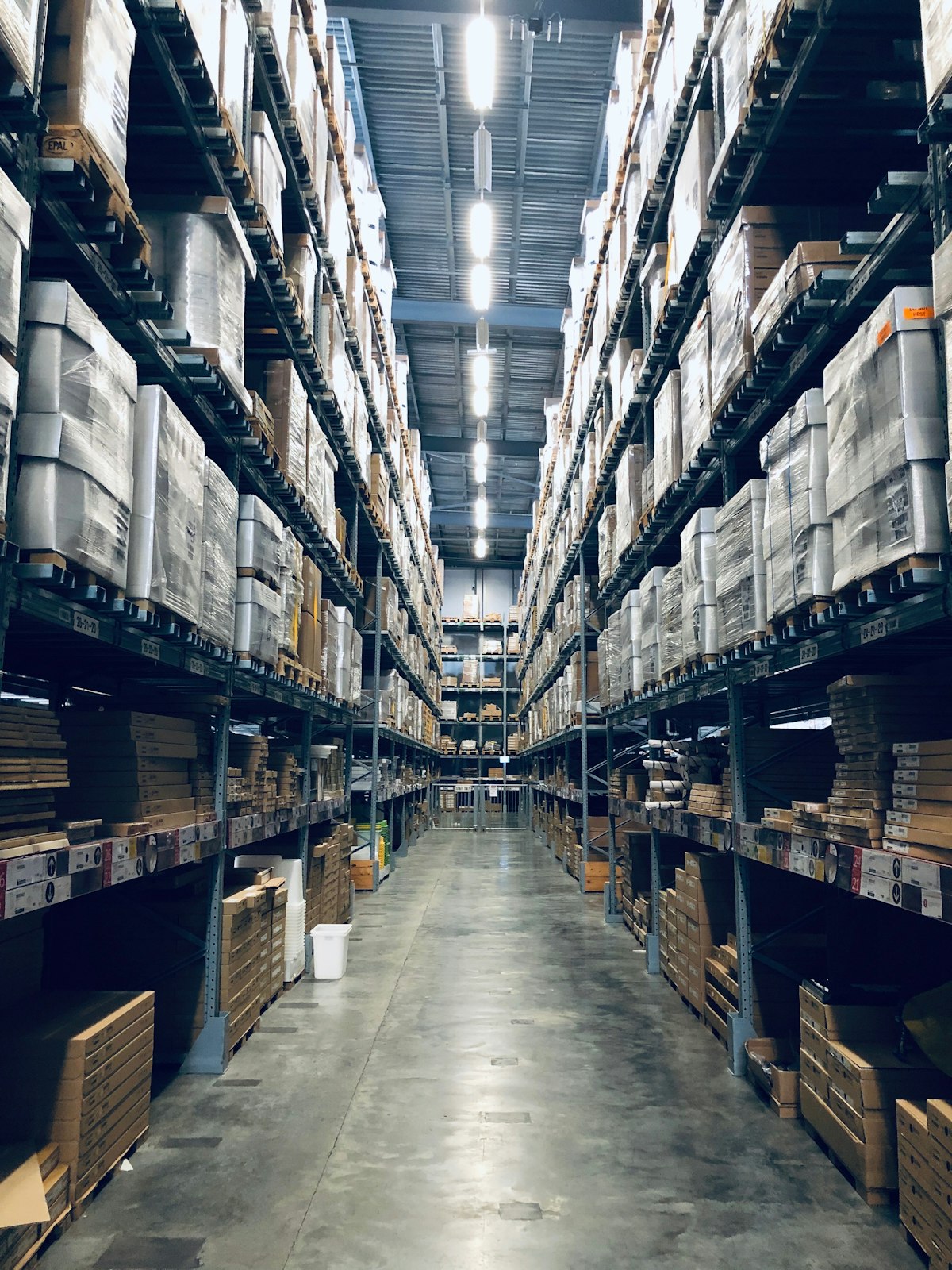
On the edges sits the working side of the wine economy: winery, crush, cold storage, and distribution industrial tied to the surrounding vineyards and farms. Together the three layers, hospitality, downtown retail, and ag-industrial, give Lodi a commercial market with more depth than its size suggests.
What’s moving in Lodi
Lodi rewards an advisor who understands what actually drives demand here: the wine draw, the historic downtown, and the ag-industrial base feeding both.
Downtown & Retail
School Street storefront, restaurant, and tasting-room leasing in a walkable historic core that draws on the wine economy.
Hospitality & Investment
Hotel, event, and food-and-beverage assets trading on Lodi’s wine-tourism draw, demand a town this size would not otherwise carry.
Ag-Industrial
Winery, crush, cold storage, and distribution space on the edges, tied to the vineyards and farms that feed the appellation.
Investment Sales
Neighborhood retail, mixed-use, and income property underwritten on real Lodi fundamentals, not borrowed big-city comps.
Owner-User
Downtown and highway-edge buildings for operators ready to own rather than lease, often the right move for hospitality and trade businesses.
Land
Ag-edge and infill parcels suited to owner-users and small developers rather than institutional buyers.
Why Lodi works for ag-industrial users
Lodi sits in one of California’s largest winegrape regions. The Lodi AVA was recognized in 1986 and has more than 82,000 acres planted to winegrapes across seven sub-appellations (Lodi Winegrape Commission). That acreage drives steady demand for crush, cold storage, bottling, equipment yards and distribution.
Power cost is the quiet advantage
Lodi runs its own electric utility, city-operated since 1910 (NCPA). A 2024 Lodi News-Sentinel comparison reported commercial customers paid about 50% less than with PG&E. For a refrigeration-heavy user, that changes the math on where to locate.
- Confirm current rates with Lodi Electric Utility before you underwrite.
- Compare total occupancy cost, not just rent per square foot.
A typical Lodi ag-industrial search looks like this: a processor or distributor needs a building with enough power, truck access, and room for refrigeration. The comparison runs on total occupancy cost, meaning rent plus power plus improvements, across Lodi and nearby San Joaquin and Sacramento County locations. Utility rates and service capacity get confirmed with the provider before a lease or purchase is signed.
If owning rather than leasing is the goal, see owner-user commercial real estate.
Investing in Lodi from Sacramento
Lodi has about 69,100 residents (Census, 2025 estimate), up from 66,348 in 2020, with median household income of $88,530. It is a real city, not a pass-through town, and it is in San Joaquin County, which matters for property tax, permitting and local comps.
- 1031 buyers: a short drive from Sacramento, with income property that trades in a different county and a different buyer pool. Start with 1031 exchange strategy and is a 1031 exchange worth it.
- What to check: tenant ties to the wine and ag economy, seasonality in hospitality tenants, and San Joaquin County comps rather than Sacramento comps.
How these assets are priced and marketed: investment sales. Looking at the next market north, see Galt.
Selling or leasing commercial property in Lodi
Selling. Many Lodi buildings are owned by long-time local families. The buyers who pay the most are often from outside Lodi. Matt brings the Sacramento-side and 1031 buyer pool to a Lodi sale.
Leasing. Matt represents tenants looking for School Street storefronts, tasting rooms, or industrial space on the edges of town. See tenant representation.

Your Lodi advisor
Guided by Matt Bingaman
Matt advises across Lodi’s downtown retail, hospitality and event space, ag-industrial, owner-user, and investment segments, with an understanding of how the Lodi AVA wine economy and the School Street core drive demand.
The process is simple. Know the draw, position the asset to the buyer or tenant who values it, and close it on real local fundamentals.
Lodi pairs a genuine downtown with one of California’s most important wine appellations. That combination creates commercial demand most small cities never see.
Clients give Matt a 4.9 rating across 69 Google reviews (as of October 2026). See every review on Google.

Lodi commercial real estate questions
Matt Bingaman, Commercial Advisor with eXp Commercial (CA DRE #02139034), works with investors, sellers and tenants in Lodi and along Highway 99. Call (916) 513-0217.
Lodi’s winegrape region drives processing demand, and the city runs its own electric utility. A 2024 Lodi News-Sentinel comparison reported commercial customers paid about 50% less than with PG&E. Confirm current rates before underwriting.
No. Lodi is in San Joaquin County. Use San Joaquin County comparable sales, tax rates and permitting when you evaluate a property.
Yes, if both properties are real property held for business or investment. Replacement property must be identified within 45 days and received within 180 days or by the tax return due date, whichever is earlier. This is general information, not tax advice.
Price it on Lodi income and comparable sales, then reach buyers beyond Lodi, including Sacramento-area and 1031 buyers. Matt Bingaman can help at (916) 513-0217.
Looking at Lodi commercial?
Schedule a free 15-minute consultation. Whether it is a School Street storefront, a tasting room, an event venue, or crush and cold-storage space, we will start with the use and price it on real local fundamentals.